
Cytotoxic Effect of Brazilin on DU145 Prostate Cancer Cells Using the WST-8 Assay

Article Sidebar
-
Brazilin, Cytotoxicity, Prostate cancer, DU145, WST-8
Abstract
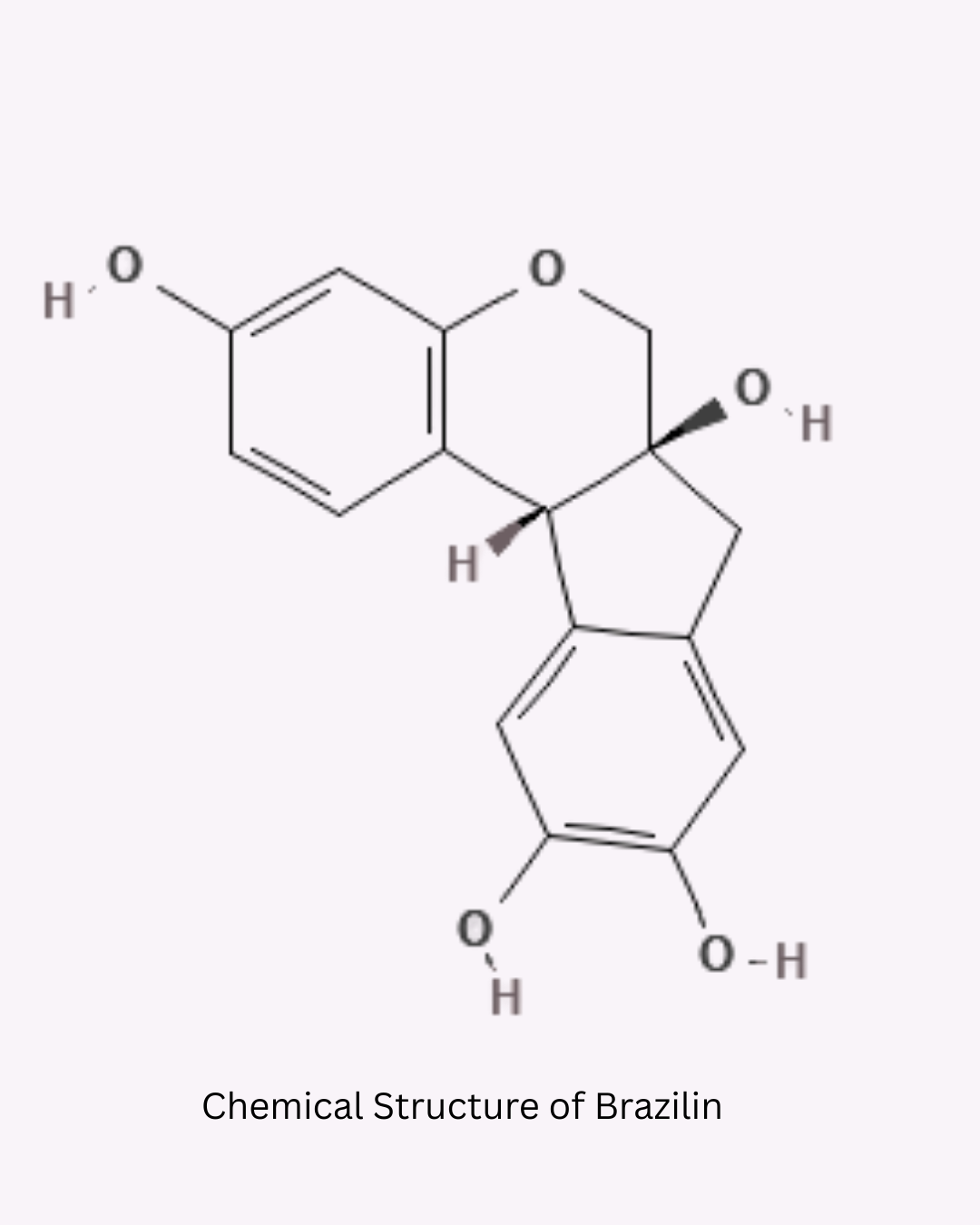
Prostate cancer is characterized by abnormal growth of prostate gland cells due to uncontrolled cellular proliferation. Brazilin, a homoisoflavonoid compound derived from Caesalpinia sappan L., is known for its anticancer activity. This study aimed to evaluate the cytotoxic effect of brazilin on DU145 prostate cancer cells through an in vitro assay employing the WST-8 method. The results showed that both brazilin and cisplatin significantly reduced the cancer cell survival rate compared to the negative control group (p < 0.05). Although no significant difference was observed between the two compounds at the highest concentration (ns), their IC₅₀ values differed significantly (p < 0.05), recorded at 18.92 ppm for brazilin and 0.03569 ppm for cisplatin; both were classified as highly active. These findings suggest that brazilin possesses cytotoxic potential comparable to cisplatin at elevated concentrations and may be developed further as a naturally derived anticancer agent.
Full text article
References
Ackermann, T., & Tardito, S. (2019). Cell culture medium formulation and its implications in cancer metabolism. Trends in Cancer, 5(6), 329–332. https://doi.org/10.1016/j.trecan.2019.05.004
Agustin, T. (2020). Potensi metabolit aktif dalam sayuran cruciferous untuk menghambat pertumbuhan sel kanker. Jurnal Pengembangan Penelitian dan Pendidikan, http://jurnal.globalhealthsciencegroup.com/index.php/JPPP
American Type Culture Collection. (2024). ATCC. https://www.atcc.org/
Aslantürk, Ö. S. (2018). In vitro cytotoxicity and cell viability assays: Principles, advantages, and disadvantages. In Genotoxicity – A Predictable Risk to Our Actual World (pp. 2–20). InTech. https://doi.org/10.5772/intechopen.71923
Brown, M., Wallace, C., Anamelechi, C., Clermont, E., Reichert, W., & Truskey, G. (2007). The use of mild trypsinization conditions in the detachment of endothelial cells to promote subsequent endothelialization on synthetic surfaces. Biomaterials, 28(27), 3928–3935. https://doi.org/10.1016/j.biomaterials.2007.05.009
Dona, R., Frimayanti, N., Ikhtiarudin, I., Iskandar, B., Maulana, F., & Silalahi, N. T. (2019). Studi in silico, sintesis, dan uji sitotoksik senyawa p-metoksi kalkon terhadap sel kanker payudara MCF-7. Jurnal Sains Farmasi & Klinis, 6(3), 243–249. https://doi.org/10.25077/jsfk.6.3.243-249.2019
Fadhila, N., Sriwidodo, S., & Chaerunisaa, A. (2022). Instant granules of mangosteen peel (Garcinia mangostana L.) ethanol extract as antioxidants. Sciences of Pharmacy, 1(1), 1–8. https://doi.org/10.58920/sciphar01010001
Global Cancer Observatory. (2022). Cancer incidence in Indonesia. International Agency for Research on Cancer. https://gco.iarc.fr
González-Larraza, P. G., López-Goerne, T. M., Padilla-Godínez, F. J., González-López, M. A., Hamdan-Partida, A., & Gómez, E. (2020). IC₅₀ evaluation of platinum nanocatalysts for cancer treatment in fibroblast, HeLa, and DU-145 cell lines. ACS Omega, 5(39), 25381–25389. https://doi.org/10.1021/acsomega.0c03759
Hastuti, H. E. A., Adisusilo, M. R. P., Ashar, Y. A., Meiyanto, E., & Jenie, R. I. (2022). Revealing the potential of compounds in sappan wood as cervical cancer metastasis chemopreventive agent with MMP9 target. Indonesian Journal of Cancer Chemoprevention, 13(1), 22–32. https://doi.org/10.14499/indonesianjcanchemoprev13iss1pp22-32
Jenie, R. I., Handayani, S., Susidarti, R. A., & Meiyanto, E. (2020). The effect of brazilin from Caesalpinia sappan on cell cycle modulation and cell senescence of T47D cells. Indonesian Journal of Pharmacy, 31(2), 84–90. https://doi.org/10.14499/indonesianjpharm31iss2pp84
Nava-Tapia, D. A., Cayetano-Salazar, L., Herrera-Zúñiga, L. D., Bello-Martínez, J., Mendoza-Catalán, M. A., & Navarro-Tito, N. (2022). Brazilin: Biological activities and therapeutic potential in chronic degenerative diseases and cancer. Pharmacological Research, 175, 106023. https://doi.org/10.1016/j.phrs.2021.106023
Rachmaniar, R., Permata Sari, I., Andareza, A., Fadillah, S., & Rizky Lestario, J. (2024). Karakteristik nanoemulsi isolat brazilin dari tanaman kayu secang (Caesalpinia sappan L.) asli Indonesia. Majalah Farmasetika, 9(2), 205–212. https://doi.org/10.24198/mfarmasetika.v9i2.50495
Shabrina, A., & Iskandarsyah, A. (2019). Pengambilan keputusan mengenai pengobatan pada pasien kanker payudara yang menjalani pengobatan tradisional. Jurnal Psikologi, 46(1), 72–81.
Sriwidodo, S., Pratama, R., Umar, A. K., Chaerunisa, A. Y., Ambarwati, A. T., & Wathoni, N. (2022). Preparation of mangosteen peel extract microcapsules by fluidized bed spray-drying for tableting: Improving the solubility and antioxidant stability. Antioxidants, 11(7), 1331. https://doi.org/10.3390/antiox11071331
Suyatmi, S., Mudigdo, A., Purwanto, B., Indarto, D., Hakim, F., & Krisnawati, D. (2022). Brazilin isolated from Caesalpinia sappan wood induces intrinsic apoptosis on A549 cancer cell line by increasing p53, caspase-9, and caspase-3. Asian Pacific Journal of Cancer Prevention, 23(4), 1337–1343. https://doi.org/10.31557/APJCP.2022.23.4.1337
Wang, X., Wang, Z., & Pan, D. (2021). Mechanisms of action of platinum-based chemotherapeutic drugs: Advances and challenges. Cancer Biology & Medicine, 18(1), 23–35. https://doi.org/10.20892/j.issn.2095-3941.2020.0200
Authors

This work is licensed under a Creative Commons Attribution-NonCommercial-ShareAlike 4.0 International License. Copyright @2017. This is an open-access article distributed under the terms of the Creative Commons Attribution-NonCommercial-ShareAlike 4.0 International License (http://creativecommons.org/licenses/by-nc-sa/4.0/) which permits unrestricted non-commercial used, distribution and reproduction in any medium